Detailed Rules for Calculating the Prefabrication Rate of Prefabricated Buildings in Wuhan (with Authoritative Interpretation)
WeChat Sync · Xiaowei · 2024-01-18
The following article is sourced from: Lvzhu Network
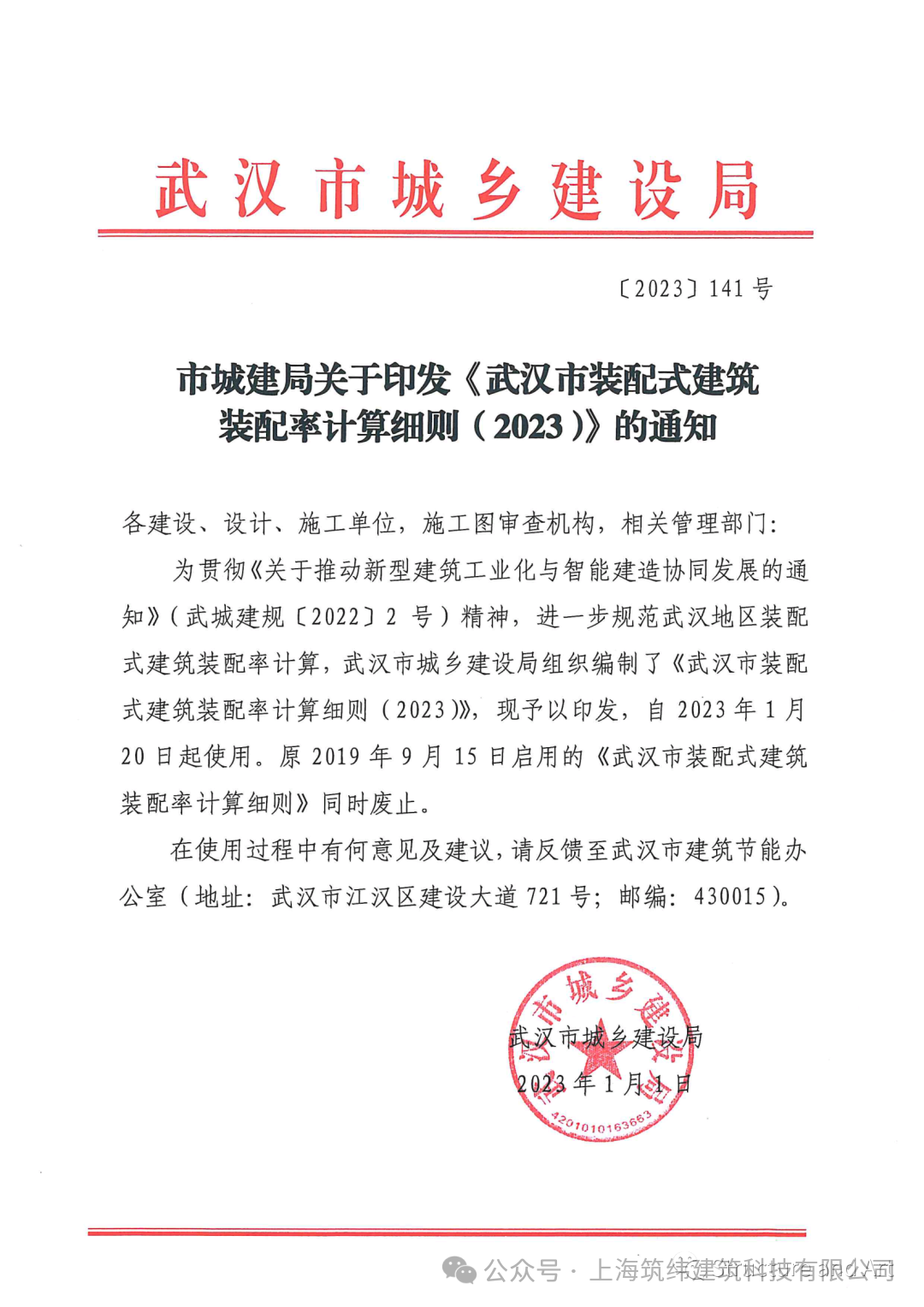
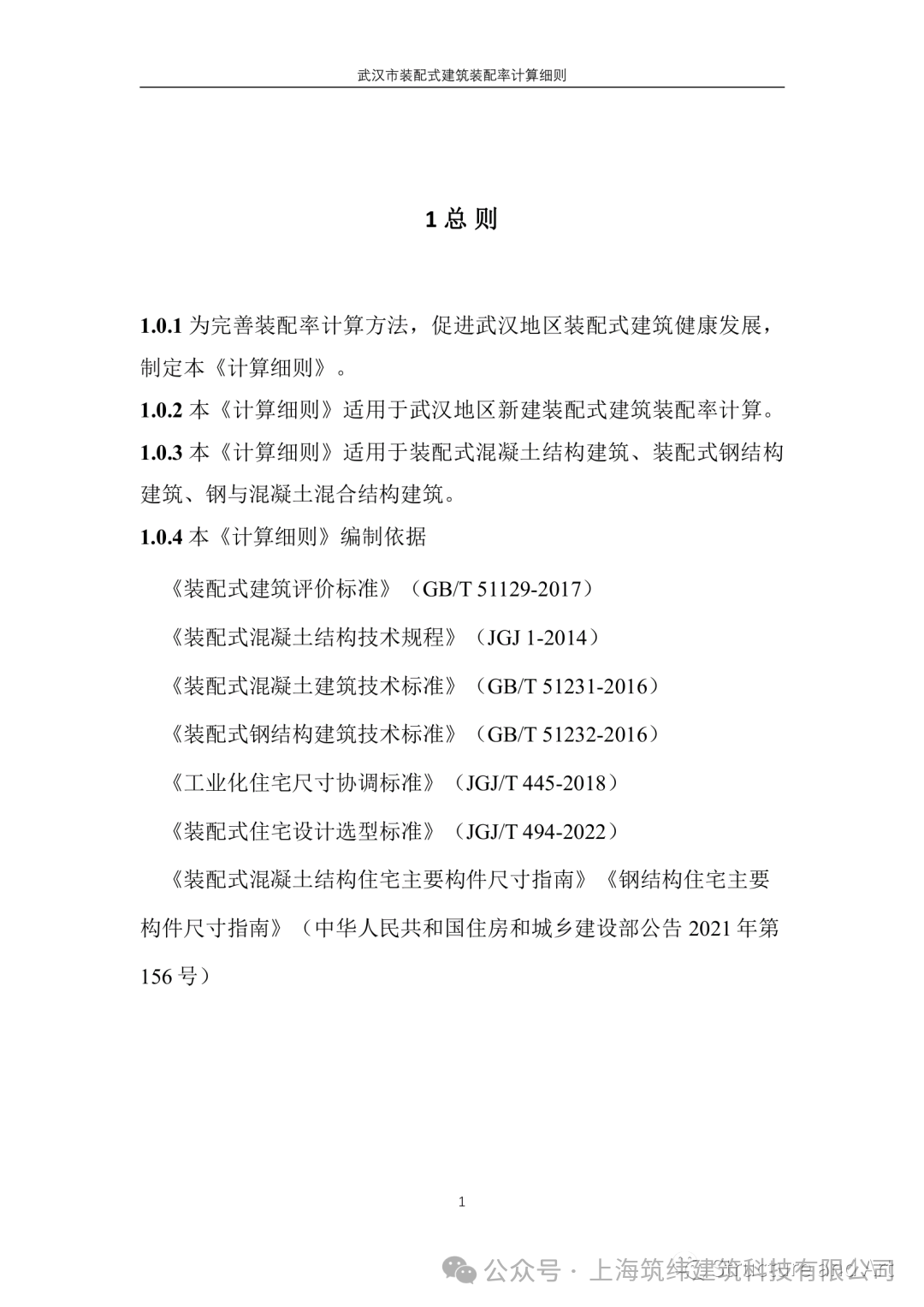
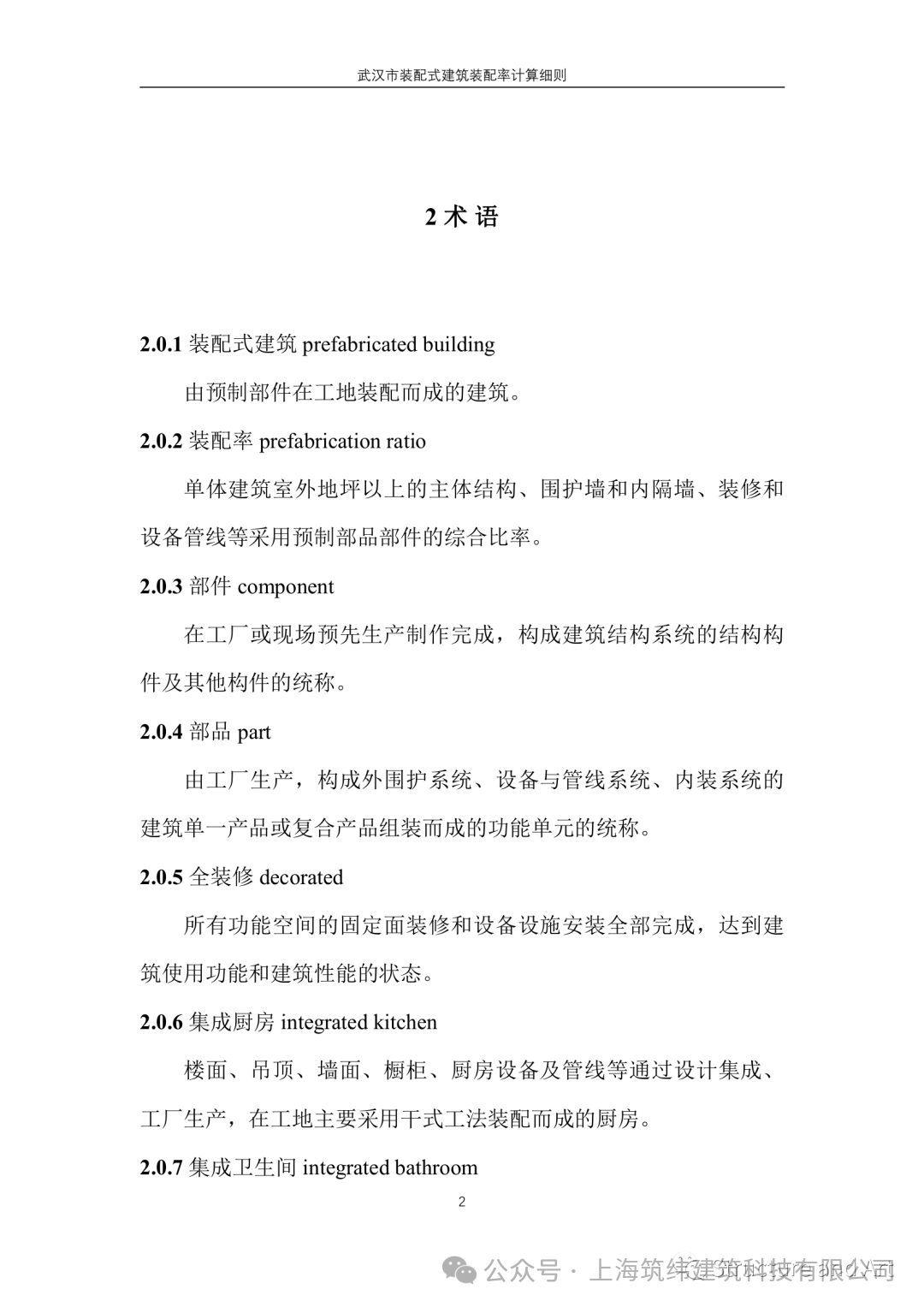
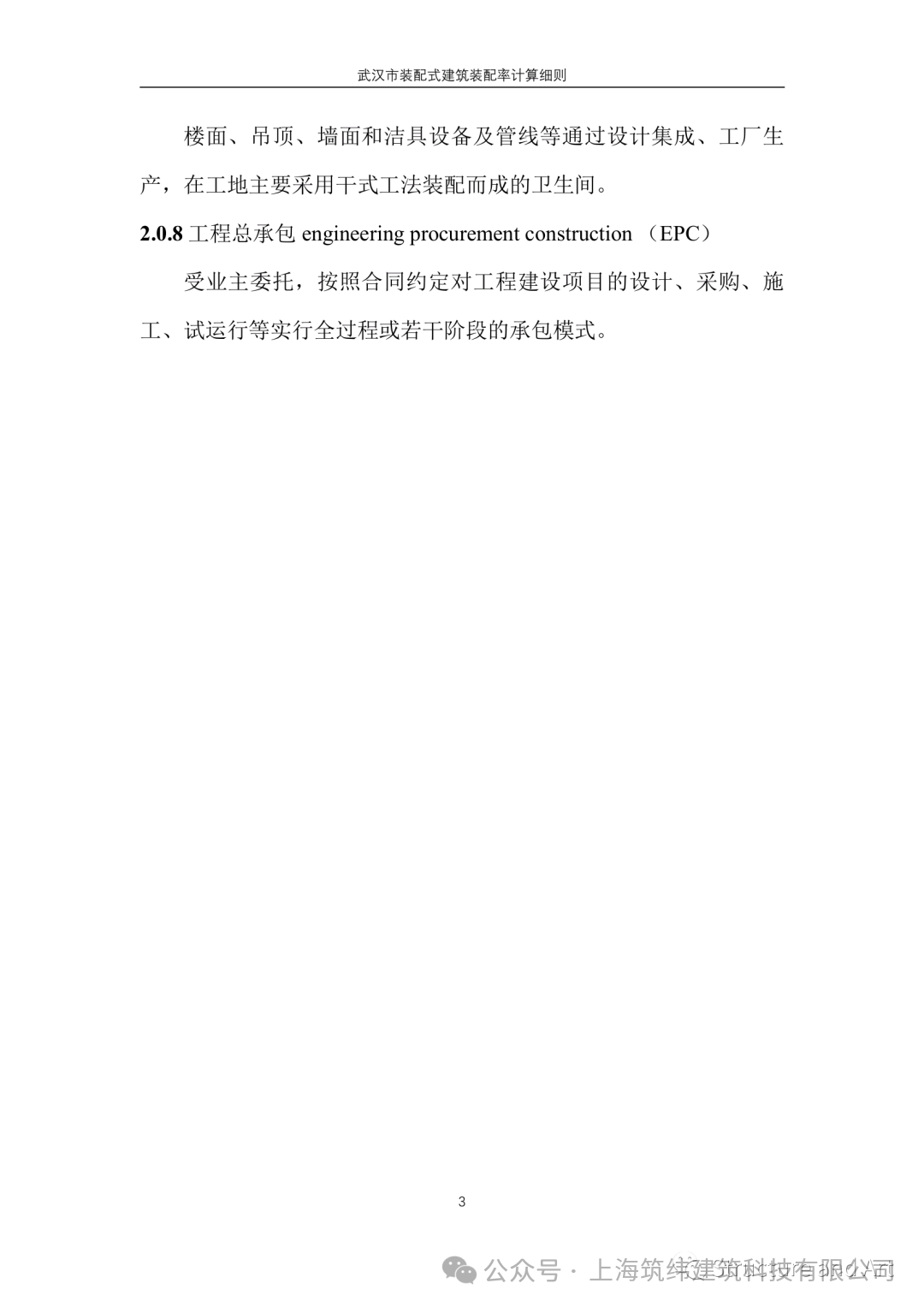
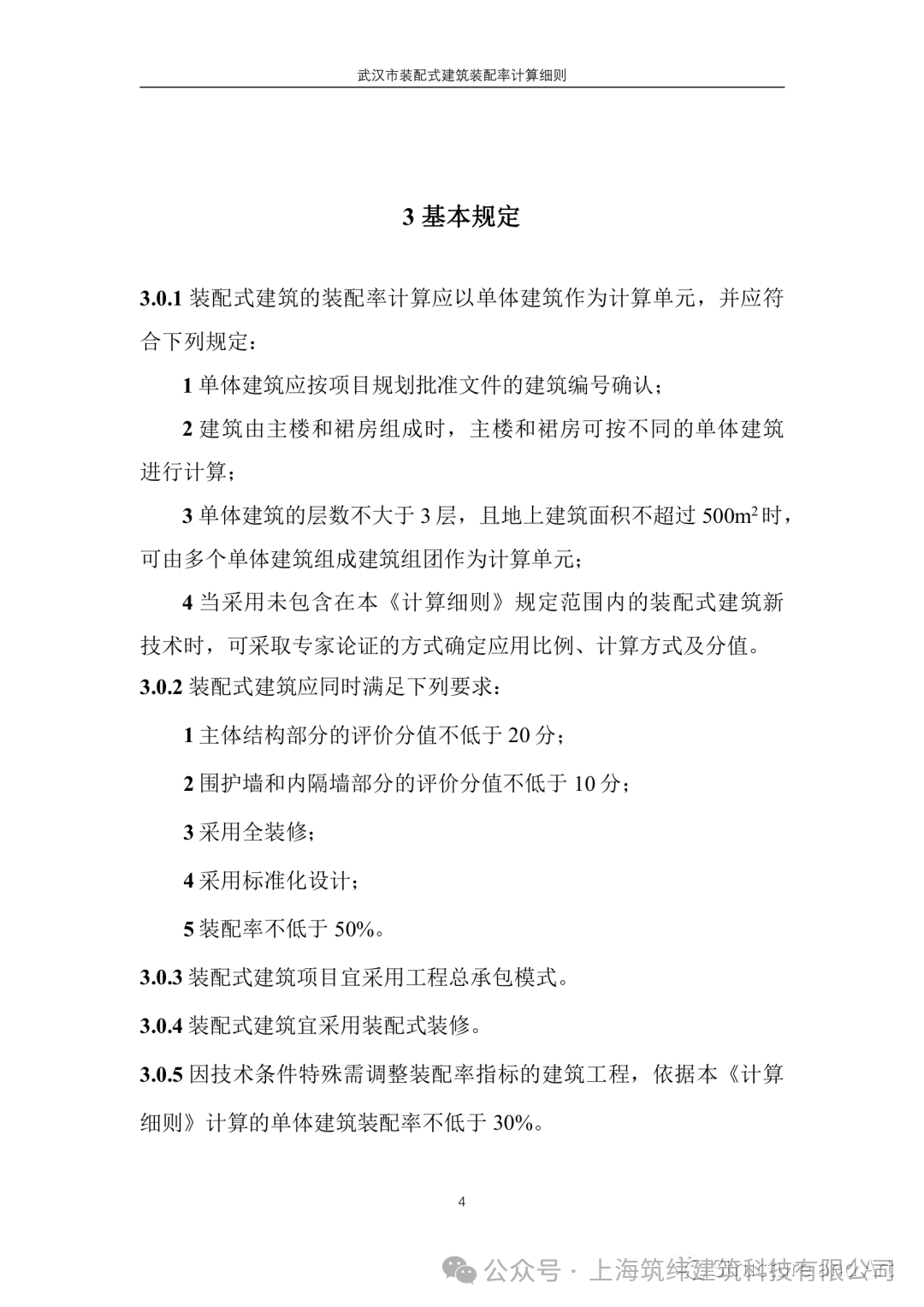
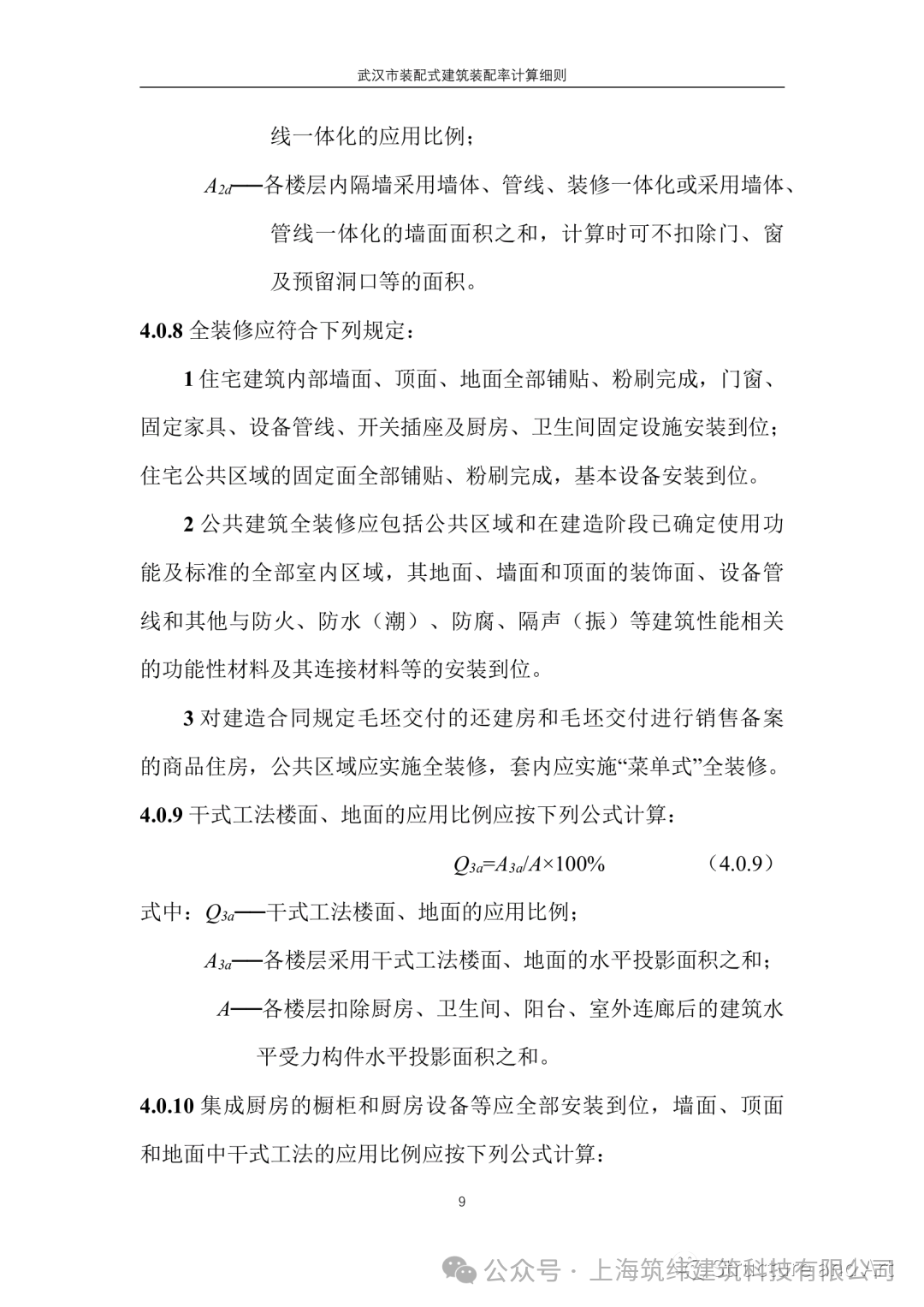
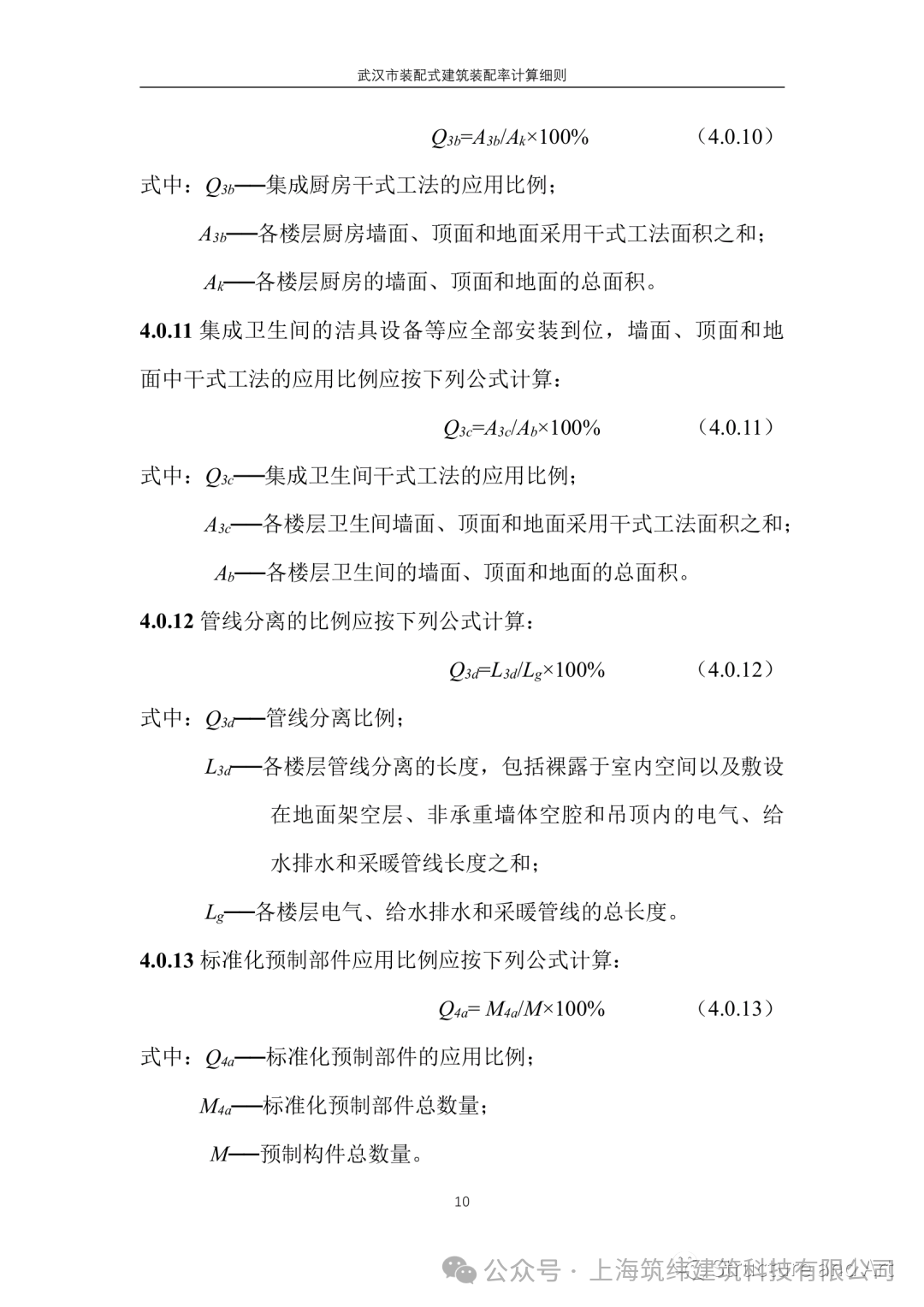
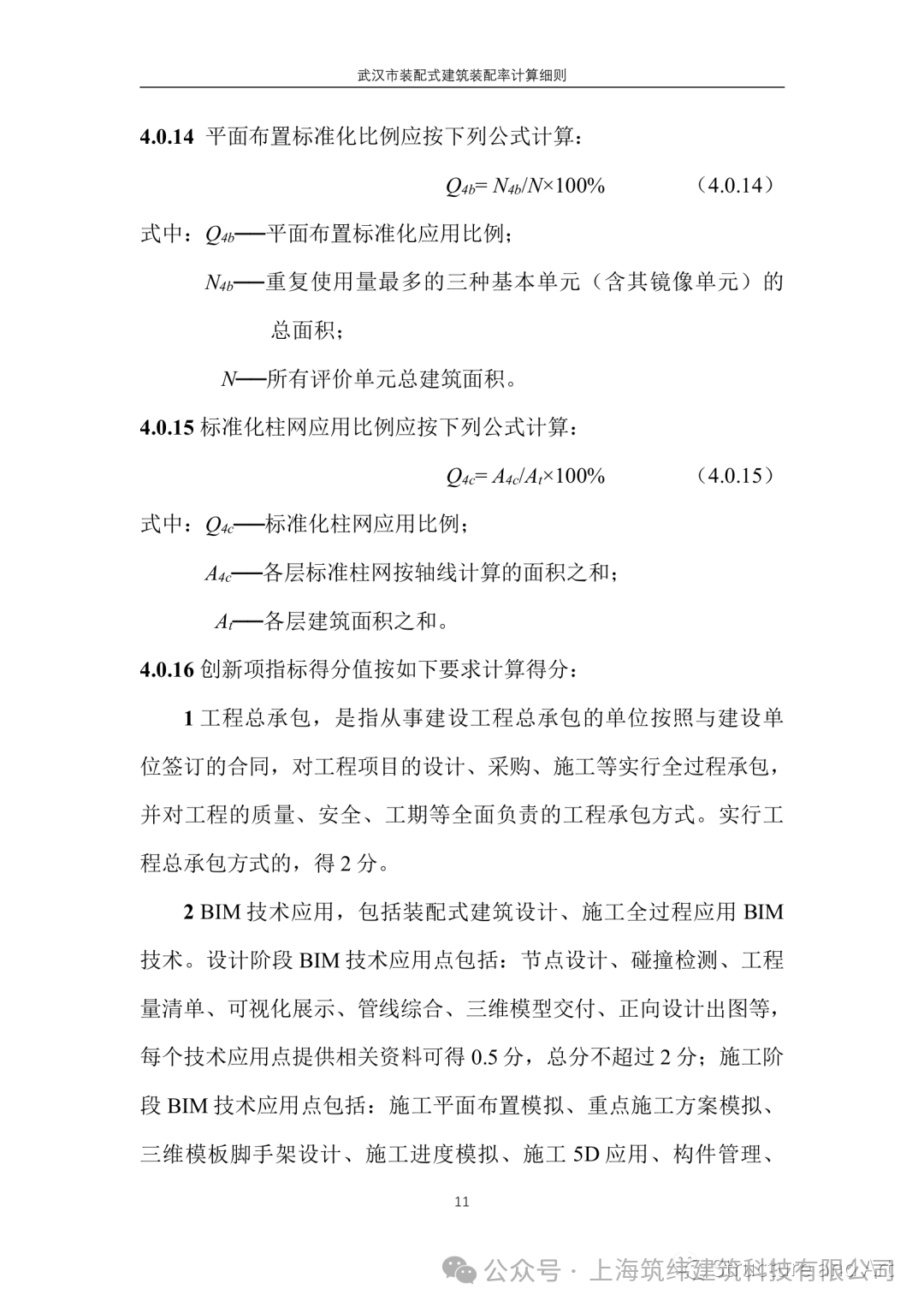

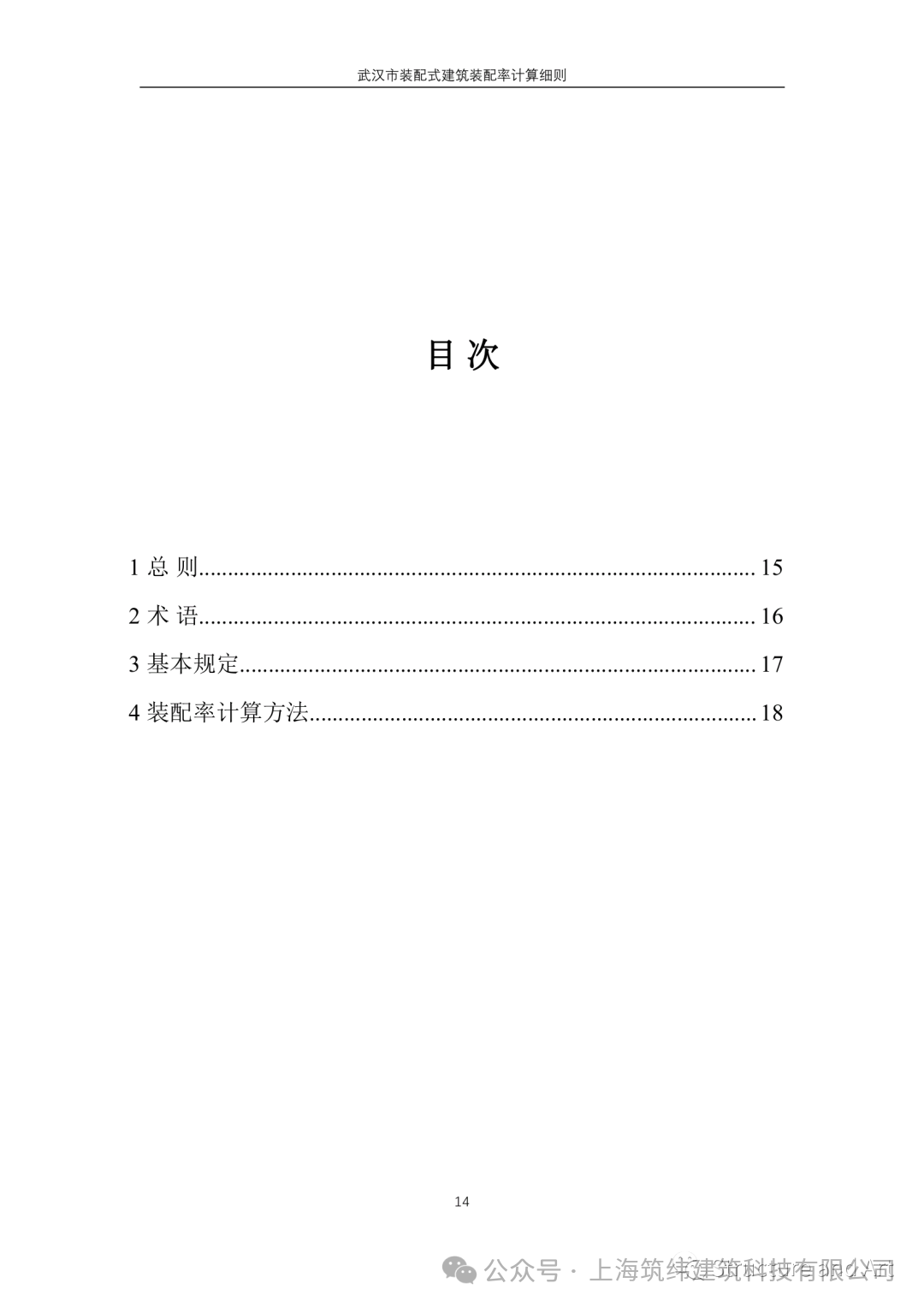
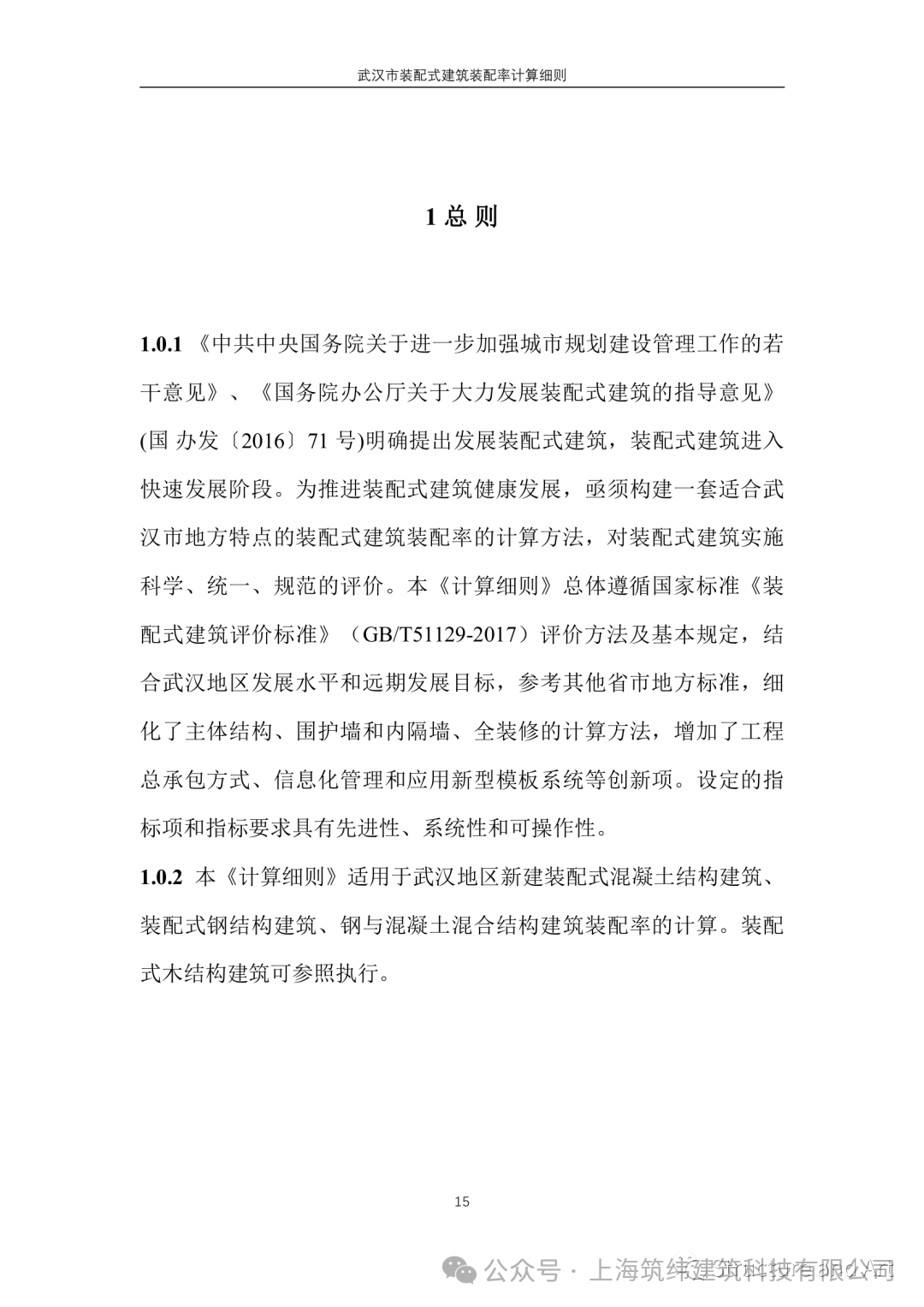
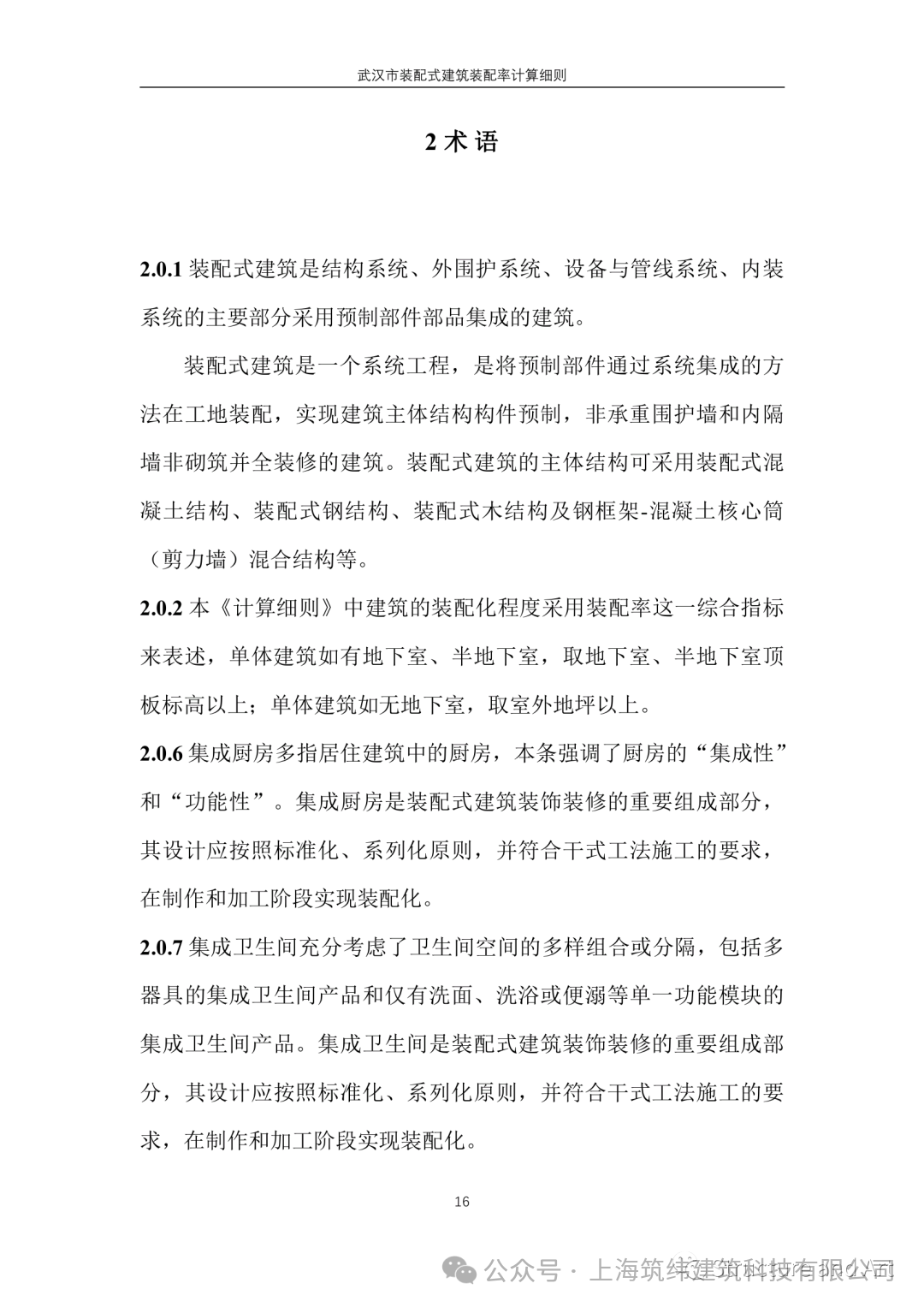
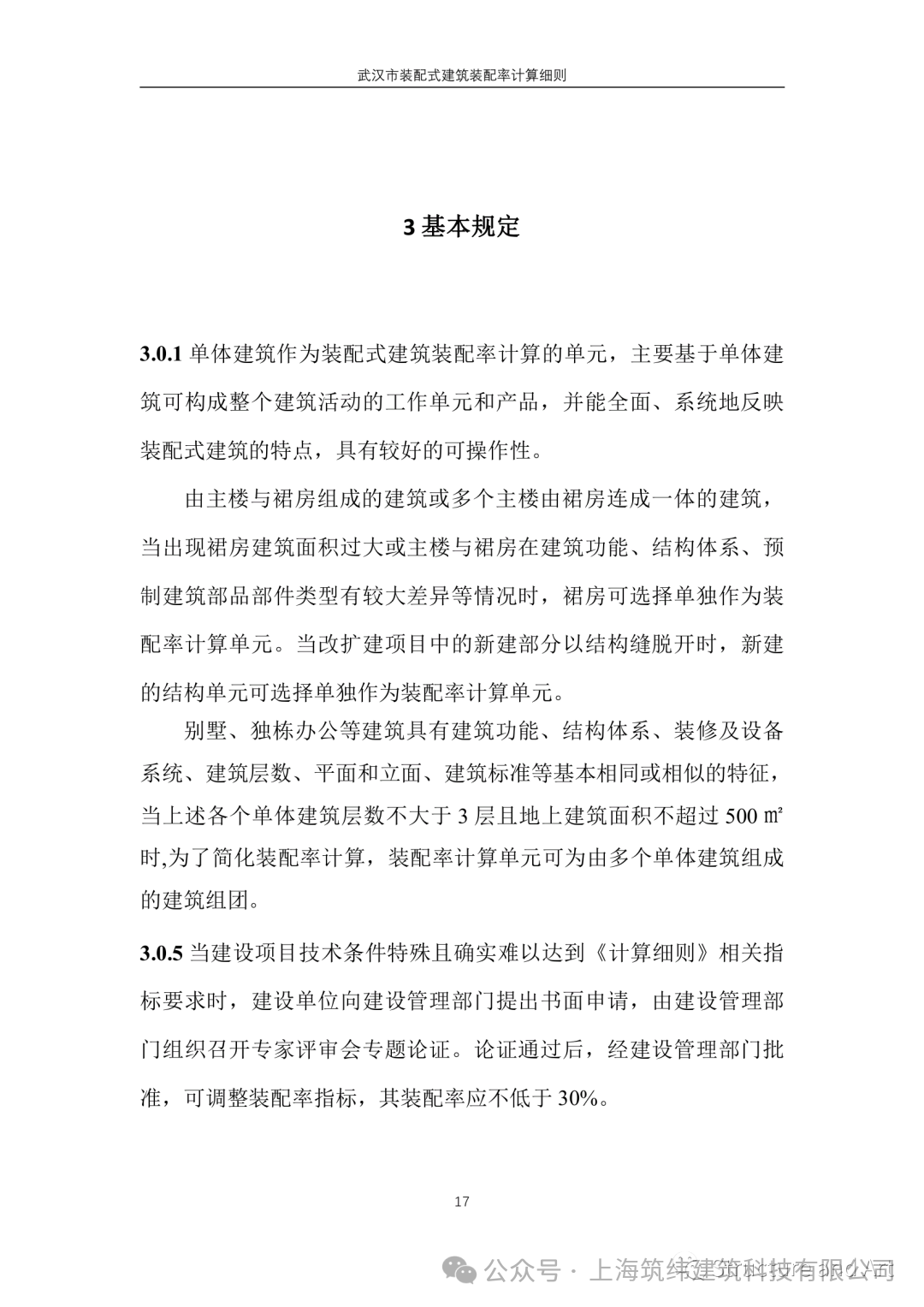
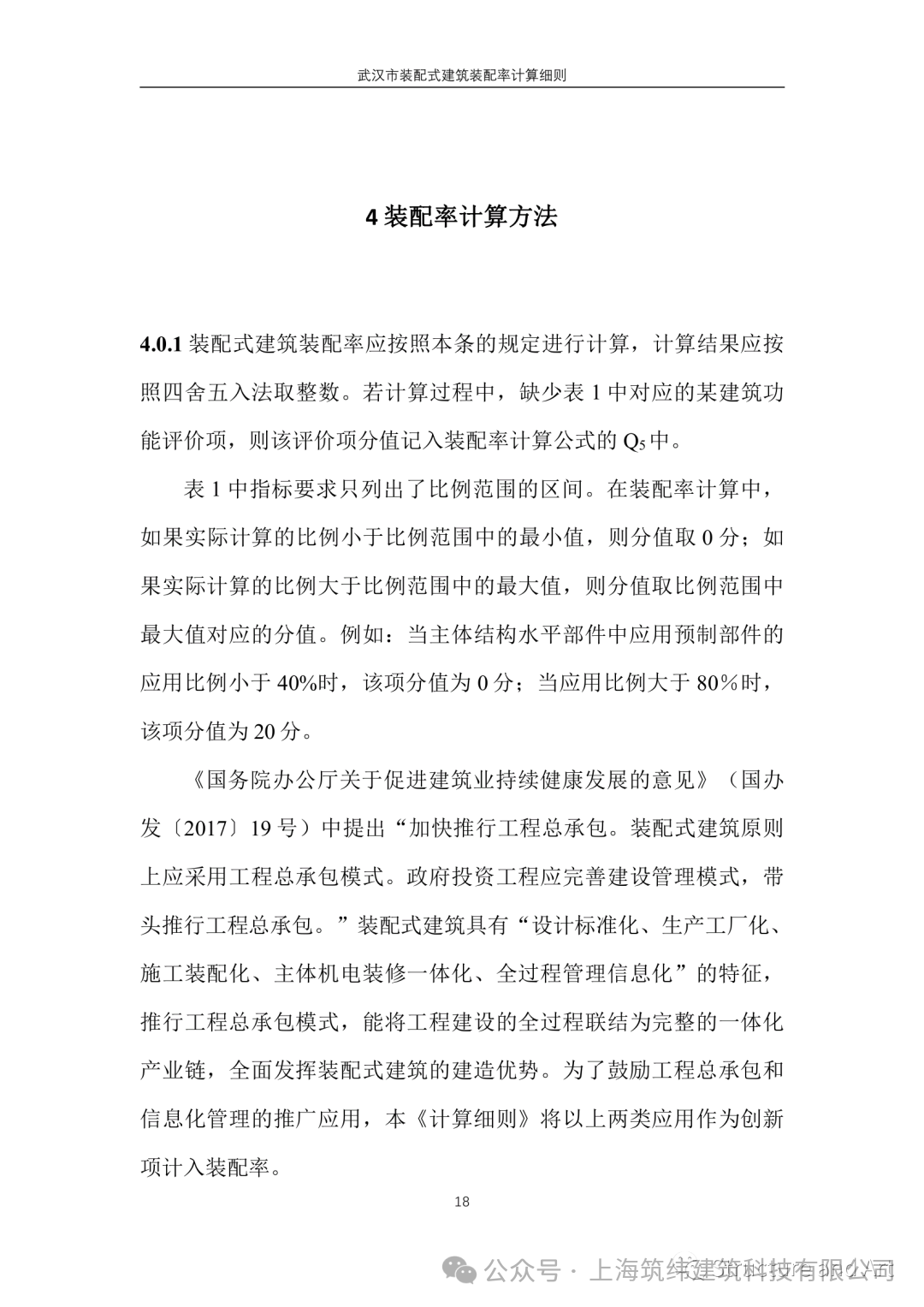
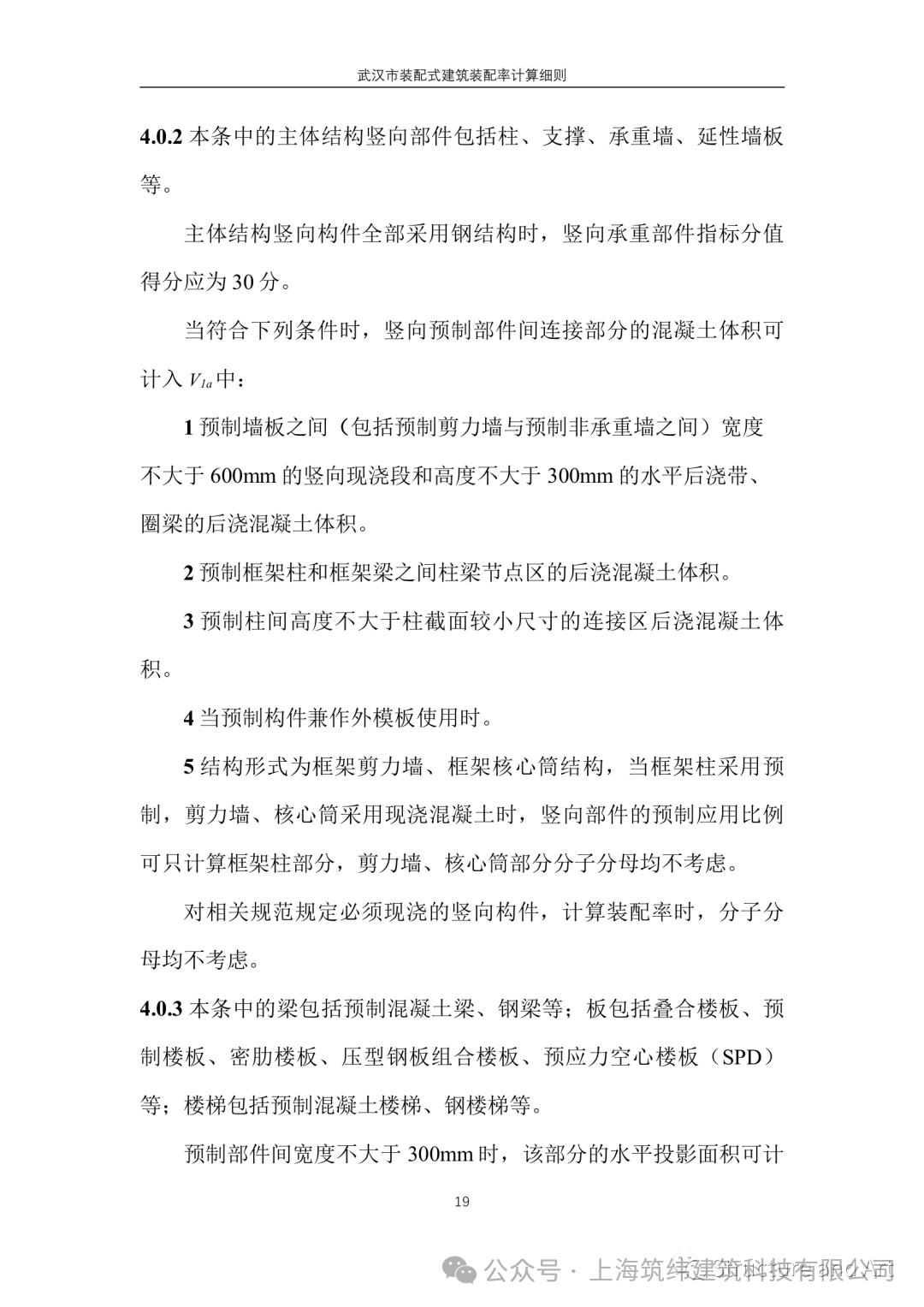
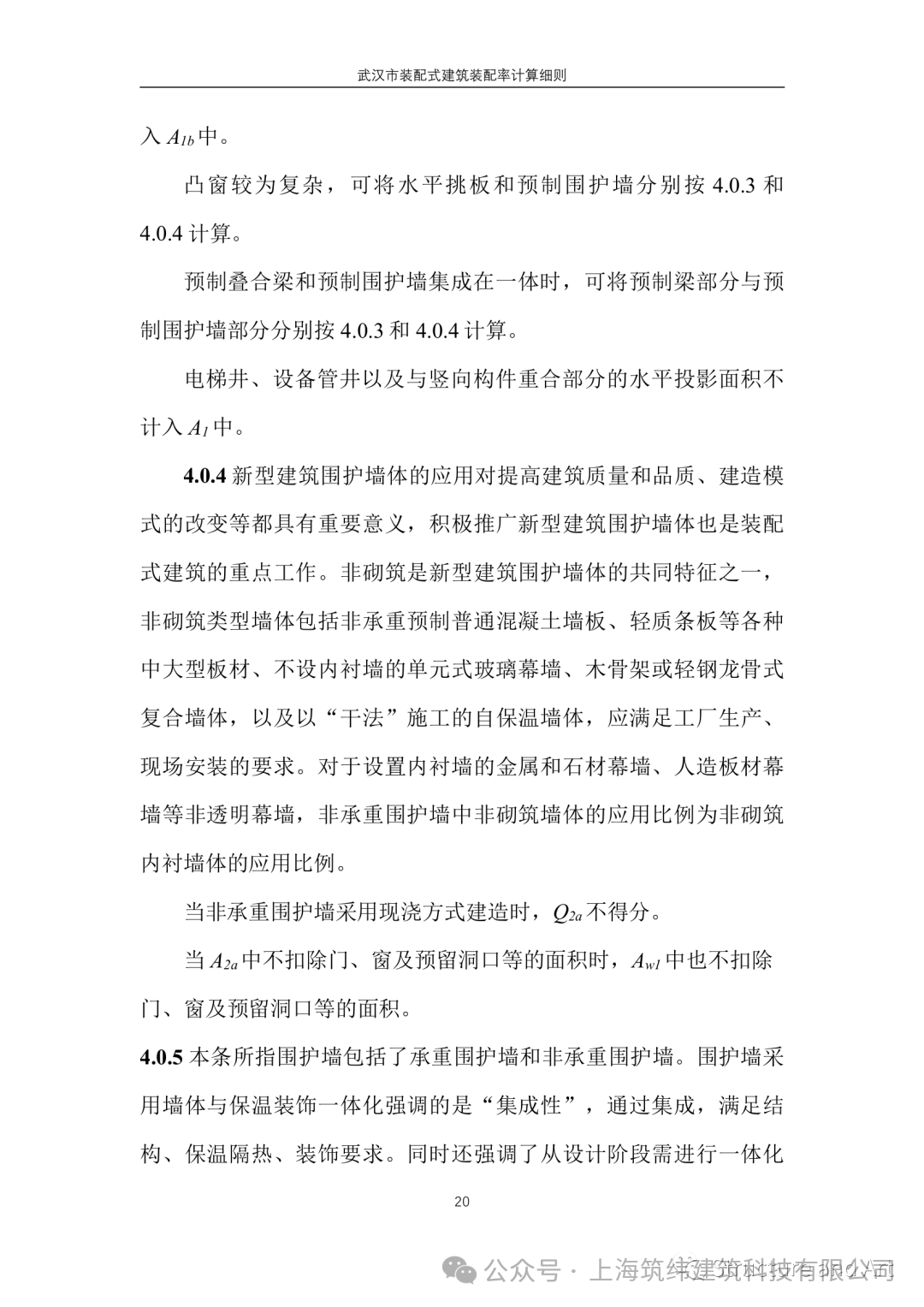
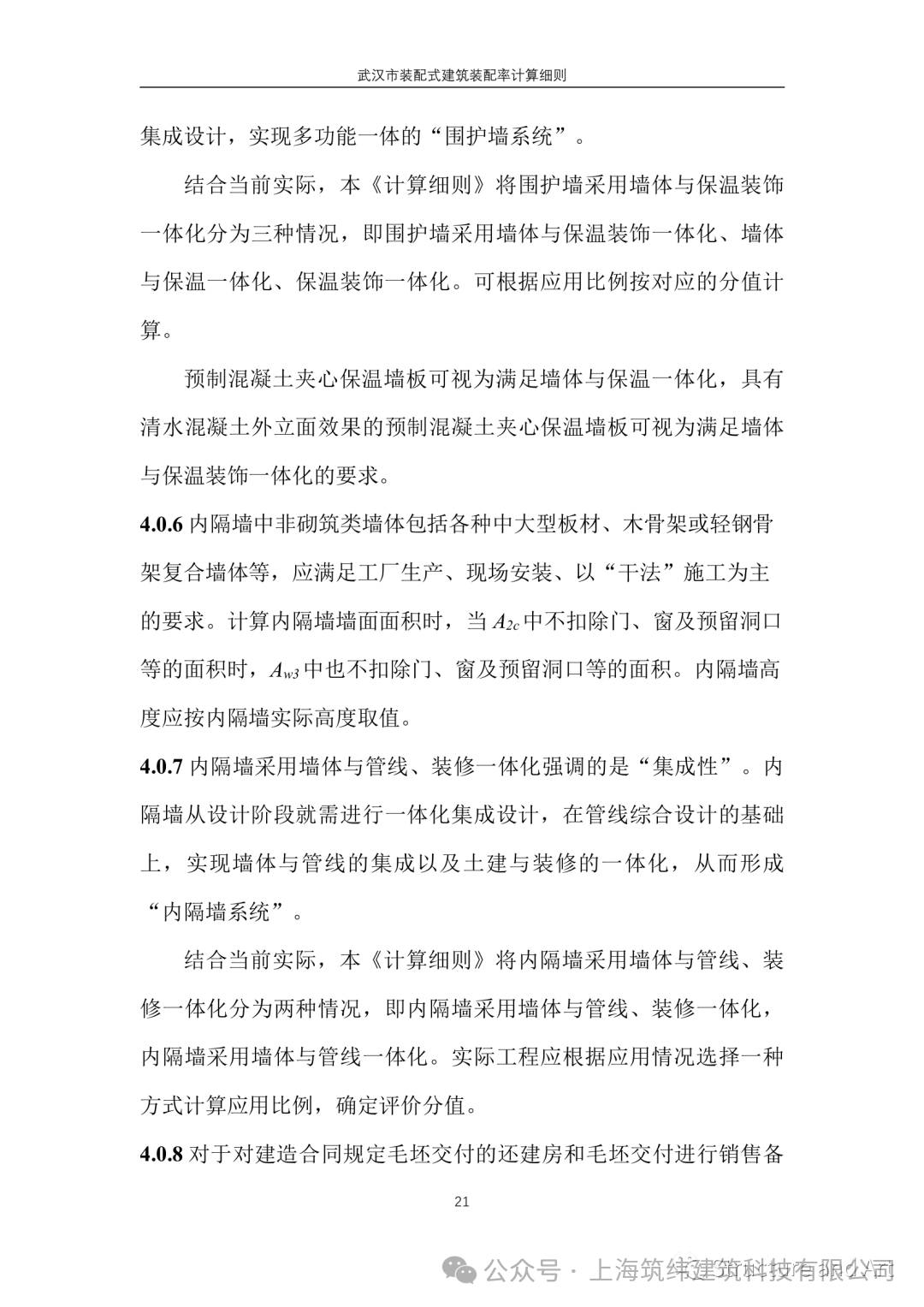
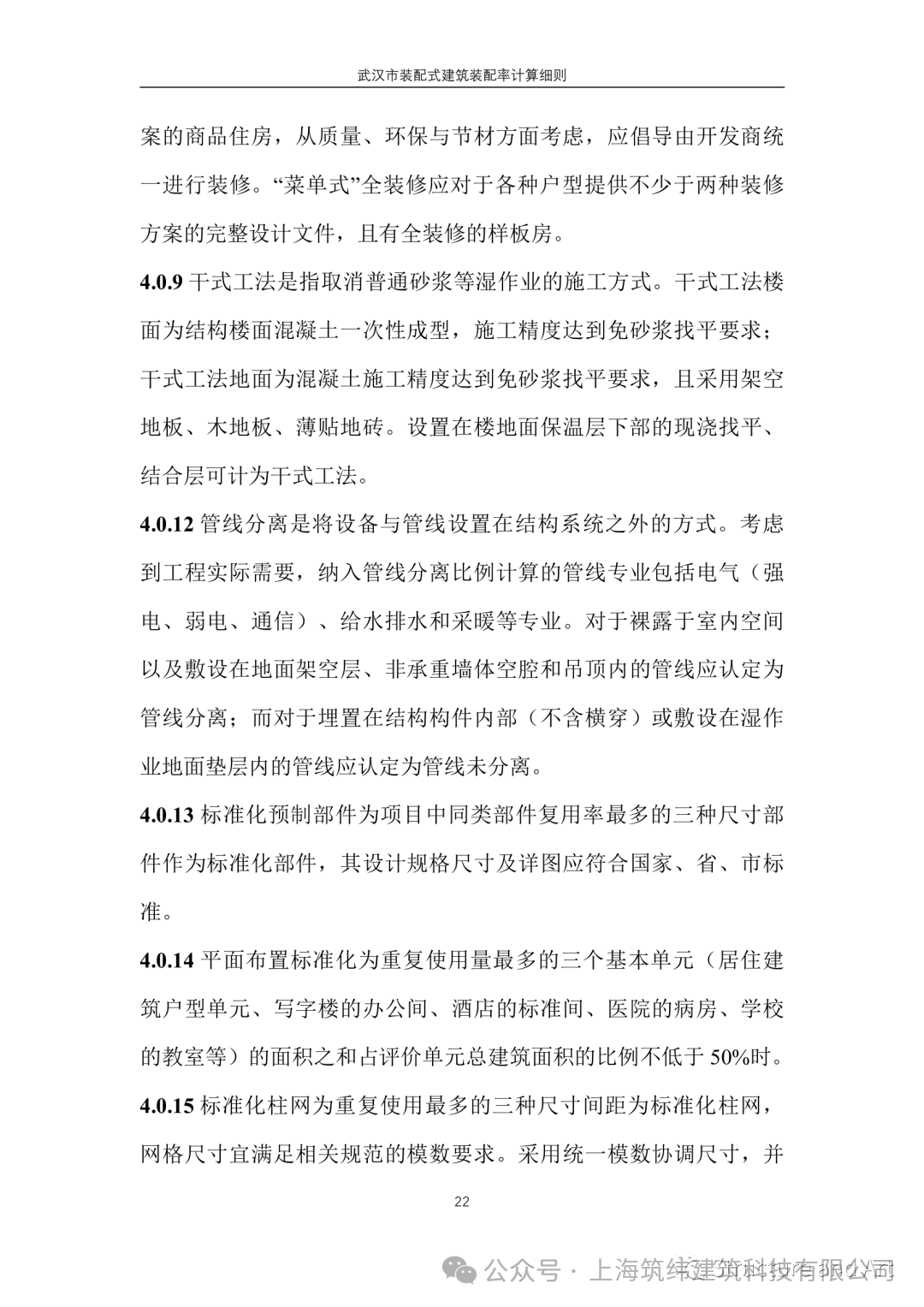
 Attachment: Authoritative interpretation by the Wuhan Municipal Bureau of Urban-Rural Development

As low-carbon environmental protection and energy conservation and emission reduction have become the development trend, prefabricated buildings — colloquially known as “making parts in the factory and assembling houses on site” — have also become the industry's “favorite”. Since 2017, Wuhan's prefabricated buildings have reached cumulative construction starts of more than 40 million square meters, and multiple projects have won national, provincial and municipal demonstration projects.
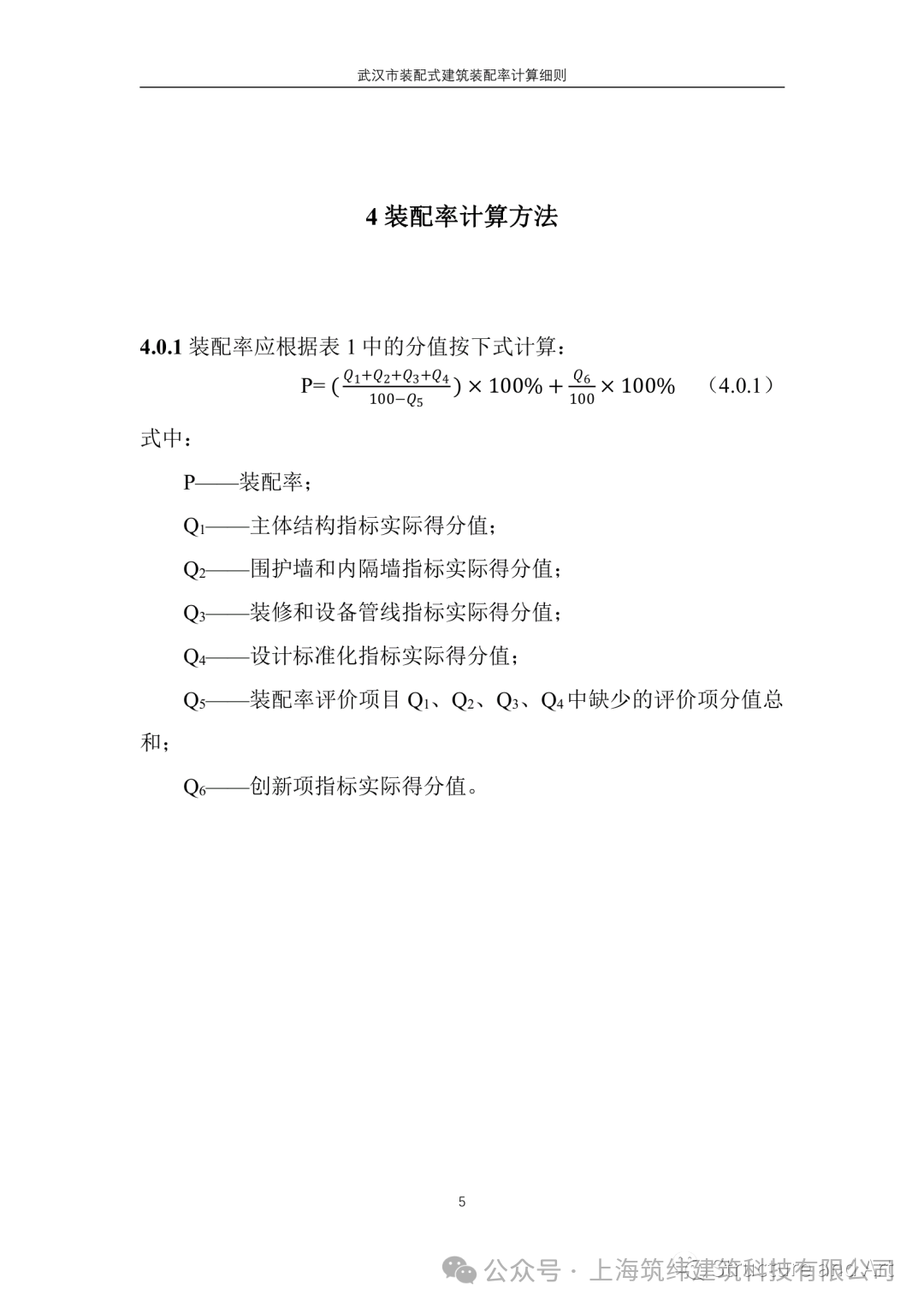
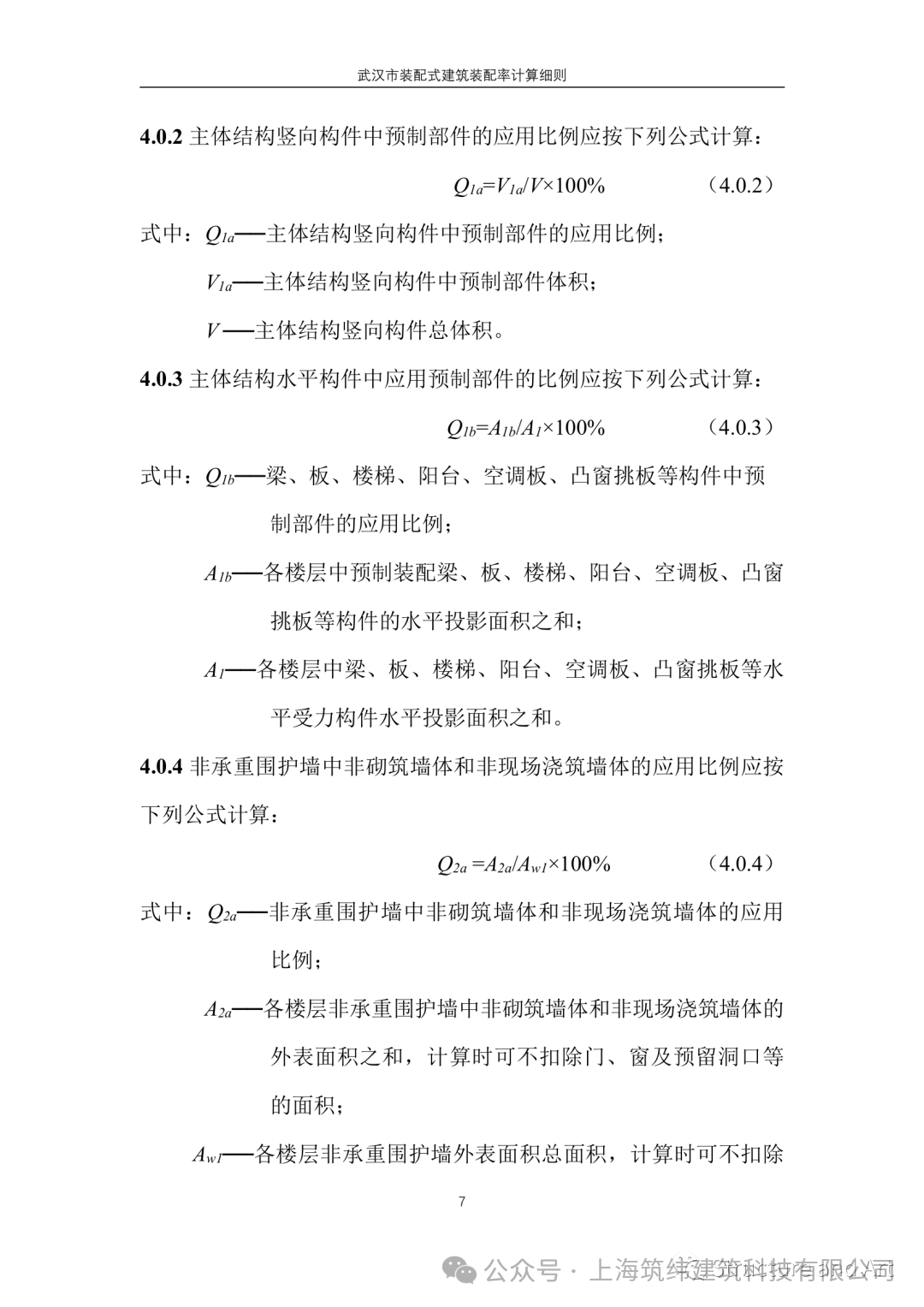
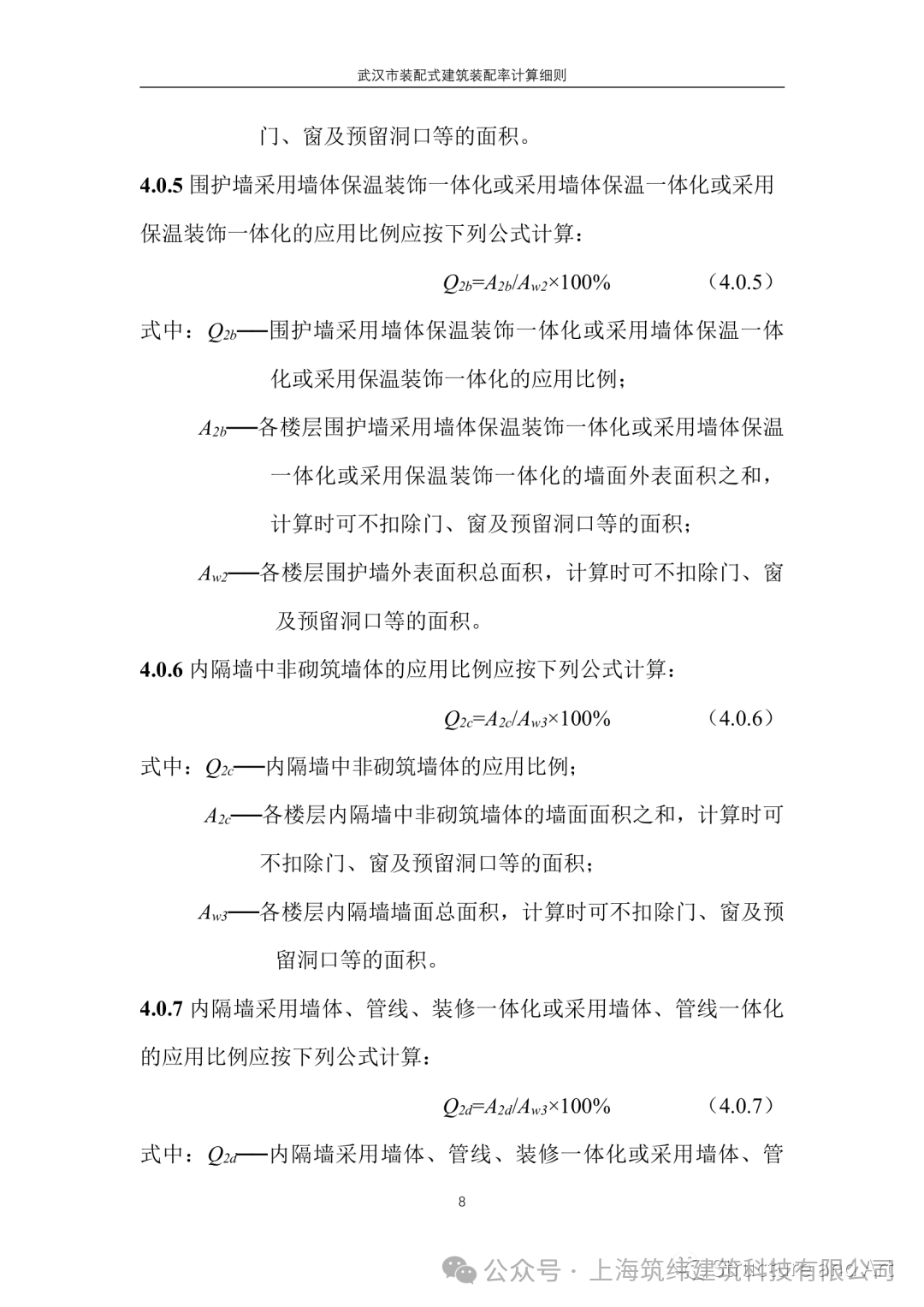
Whether a building can be called a prefabricated building is subject to a set of objective evaluation standards. The Detailed Rules for Calculating the Prefabrication Rate of Prefabricated Buildings in Wuhan (hereinafter referred to as the “Detailed Rules”) is precisely the “implementation manual” of this standard.
In September 2019, the Wuhan Municipal Bureau of Urban-Rural Development issued the 2019 version of the Detailed Rules. After more than three years of development, the Municipal Bureau of Urban-Rural Development led experts, scholars and enterprises in joint research and revision. On January 20 this year, the 2023 version of the Detailed Rules was officially rolled out in Wuhan.
Recently, a reporter interviewed the Energy Conservation Office of the Wuhan Municipal Bureau of Urban-Rural Development to interpret the background behind the new version of the Detailed Rules: what changes have been made? What is the deeper meaning behind the newly added indicator items?
 01Adding “Design Standardization” as a Necessary Condition
The 2019 version of the Detailed Rules unified the calculation caliber for the prefabrication rate of prefabricated buildings in Wuhan, clarified the evaluation requirements for prefabricated buildings and promoted the healthy development of prefabricated buildings. With the issuance of documents such as the Several Opinions on Accelerating the Development of New Building Industrialization (Jian Biao Gui 〔 2020〕 No. 8) and the Notice on Promoting the Coordinated Development of New Building Industrialization and Smart Construction (Wu Cheng Jian Gui 〔 2022〕 No. 2), higher and newer requirements have been put forward for Wuhan's prefabricated buildings. In the more than three years that the 2019 version of the Detailed Rules has been in operation, various market players have also put forward some rationalization suggestions; in particular, with the development of technology, some contents no longer match the new development situation. Against this background, the Wuhan Municipal Bureau of Urban-Rural Development has “updated” the Detailed Rules.
“The biggest highlight of the new version of the Detailed Rules is that it incorporates ‘design standardization’, making it a necessary condition among the prefabrication rate calculation indicators,” a relevant official from the Energy Conservation Office of the Municipal Bureau of Urban-Rural Development told the reporter. This echoes the current requirement to give play to the leading role of design and vigorously promote standardized design.
The aforementioned official explained that prefabricated buildings are characterized by “design standardization, factory-based production, assembly-based construction, integration of the main structure, M&E and interior fit-out, and informatization of whole-process management”, and that “design standardization” affects the entire life cycle of prefabricated buildings. Through “design standardization”, production enterprises are guided to coordinate and unify the commonly used dimensions of components and parts with design units and construction units. Following the principle of “fewer specifications, more combinations”, multi-level universal standard modules are established to improve design quality and efficiency.
In short, it is hoped that, through technological leadership and standards support, the leading role of standardization will be brought into play to improve the efficiency of prefabricated building design, production and construction, further reduce component production costs and enhance the market competitiveness of prefabricated buildings.
02Main Structure Indicators Have Been Optimized
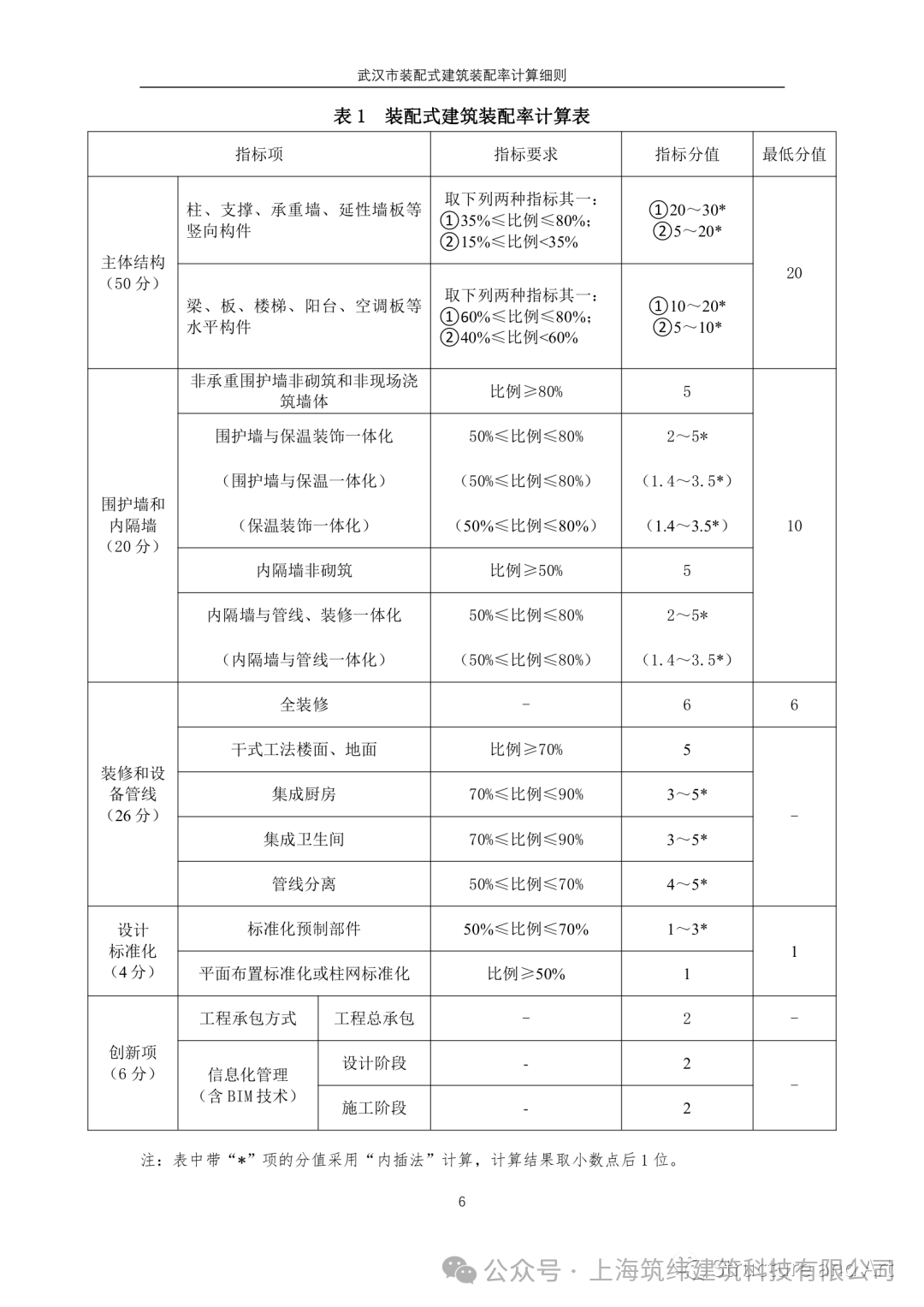
According to the introduction, in the main structure indicator items of the 2019 version of the Detailed Rules, the proportion of vertical components using precast components had to reach 35% and the proportion of horizontal components using precast components had to reach 60% in order to obtain their respective starting scores. In the new version of the Detailed Rules, on the original basis, the application proportion of vertical components added an indicator tier of “15% to 35%” and the application proportion of horizontal components added an indicator tier of “40% to 60%”. The adjusted indicators are more in line with reality and are more conducive to encouraging projects to be built using prefabricated methods.
The 2019 version of the Detailed Rules treated BIM technology as an innovation item. In the new version of the Detailed Rules, the application points of BIM technology in the design and construction stages are further clarified, so as to encourage construction projects to improve their level of information management.
The aforementioned official stated that applying BIM technology throughout the whole process of prefabricated building design, production, transportation, construction and O&M improves design efficiency, optimizes production processes, raises the construction level, optimizes procedures and costs, and enhances O&M capabilities. It gives play to the collaborative capabilities of various disciplines, realizes data and information sharing across the processes of the industrial chain, further promotes the intelligent upgrading of prefabricated buildings, and truly enables projects to achieve controllable quality, controllable cost and controllable schedule.
03Prefabricated Buildings Show a Trend of Simultaneous Growth in Quantity and Quality
Promoting the high-quality development of prefabricated buildings, improving the construction level and building quality, driving the transformation and upgrading of the construction industry and achieving low-carbon green development have always been a key focus that the Wuhan Municipal Bureau of Urban-Rural Development has held firmly, with remarkable results achieved.
Policies and standards have been continuously improved and the construction scale has continued to expand. As of the end of 2022, Wuhan's prefabricated buildings had reached cumulative construction starts of 41.831 million square meters, growing from 5.4945 million square meters in 2020 to 17.045 million square meters in 2022, achieving leapfrog growth.
At the same time, project quality has been continuously improving and the industrial foundation has been continuously consolidated. So far, 1 project has won national-level, 9 projects provincial-level and 112 projects municipal-level demonstration status, setting benchmark models for the industry. 19 prefabricated building component production bases have been built, of which 5 have won national-level and 9 provincial-level demonstration status; 5 four-star factories, 5 three-star factories and 2 two-star factories have been rated, which can meet the needs of prefabricated building construction across the city.
In the next step, the Municipal Bureau of Urban-Rural Development will thoroughly implement the spirit of the Notice on Promoting the Coordinated Development of New Building Industrialization and Smart Construction and, using prefabricated buildings as a carrier, promote the continuous improvement of the overall level of building industrialization, digitalization and intelligentization in Wuhan.
END
The views expressed are the author's own Copyright © Zhuwei Architectural Technology
Reproduction without authorization is prohibited
Please credit the source when reposting: Zhuwei Architectural Technology
Zhuwei Architectural Technology is a new-type technical services company specializing in integrated design optimization, BIM consulting and prefabricated construction design consulting. Our team brings together senior engineers from leading design institutes, former executives of real-estate companies, BIM engineers and prefabrication engineers, delivering integrated design optimization, refined drawing review, BIM consulting with MEP detailing, and prefabricated design services.
Design optimization consulting: Positioned as an extension and complement to the design management of real-estate developers, we focus on consulting and optimization for civil buildings. Across the whole process — or at key stages required by the client — we control the economy, rationality and safety of the design, eliminating unnecessary cost while measurably improving drawing quality, achieving "lower cost, higher efficiency".
BIM consulting: Through digital construction technology we help designers reduce errors and improve quality in the design phase, help contractors save cost and plan high-quality MEP installation in the construction phase, and extend BIM models into facility management for the operation phase — in collaboration with mainstream software vendors.
Prefabricated design consulting: Whole-process design on BIM platforms, using Revit and Tekla for PC detailing. Component geometry and reinforcement are linked parametrically — what you see is what you get. We deliver Industry 4.0-ready drawings with cut-length data for every rebar, and IoT-enabled support for production, storage, transport and installation of PC components.
Our expert team comes from leading design institutes, with deep technical grounding and extensive experience in dual-track design and optimization; its technical capability and control are industry-leading.
—— This article is auto-synced from the WeChat Official Account “Zhuwei Architectural Technology”. Read the original ——